
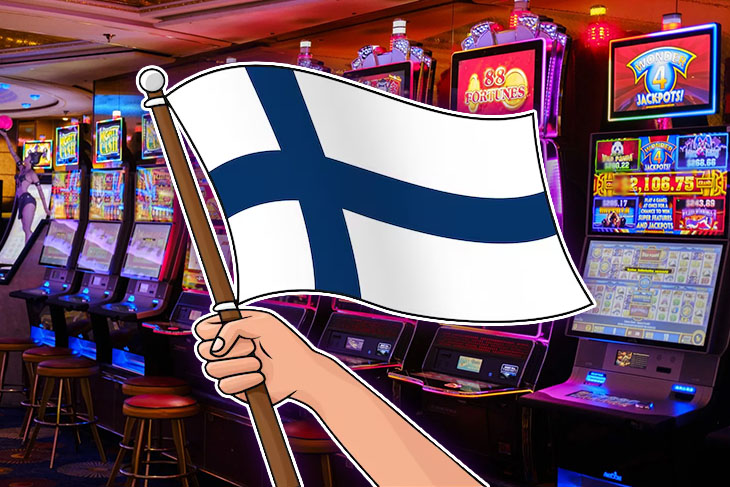
The Finnish government plans to open its gambling market to foreign operators


The proposed reforms will eliminate Veikkaus's monopoly in the iGaming sector, enabling international operators to offer their services while adhering to Finnish laws and paying taxes. However, the state-owned company will retain exclusive rights to lotteries, instant win games, slot machines, and land-based casinos to maintain control over the most high-risk forms of gambling.
Under the reforms, private operators will be able to apply for licenses starting in early 2026. A new regulatory body will be established to oversee the industry and ensure compliance with the law. Proponents of the reforms believe that a competitive market will boost tax revenues and enhance oversight of the iGaming sector.
According to the Finnish Competition and Consumer Authority, half of the gambling revenue in the country currently goes to foreign operators. A regulated market with a high proportion of legal companies would not only increase tax income for Finland but also create safer conditions for players, reducing the outflow of funds to offshore platforms.
The bill will undergo months of debate in parliament, where the future of horse racing betting is also being discussed. There have been proposals to include it in the commercial gambling segment, allowing foreign companies to participate in this sector. If the bill is approved, Finland will enter a transitional period as early as 2025, establishing a new regulatory body and preparing the market for licensing.
It is worth noting that the Finnish government has been considering the adoption of a new gambling law.
Blog
Explore more interesting news
Amigo Gaming has announced a new partnership with Elantil, a company renowned for its flexible, modern, and operator-focused approach. As part of the agreement, the ...
The Brazilian Senate's Economic Affairs Committee (CAE) has approved a bill to gradually increase the gross gaming revenue (GGR) tax for casino operators from 12% ...
Pragmatic Play has announced a new partnership with Loterías Torito, aimed at strengthening the provider's position in the regulated Peruvian iGaming market. This agreement will ...

Lotte Tour Development Co. Ltd, the owner of the South Korean casino Jeju Dream Tower, has released its financial results for November 2025. During this ...

Genting Malaysia's revenues significantly exceeded forecasts for the third quarter of 2025. The group's total revenue rose by 22% year-on-year, reaching $813 million (63.6 billion ...

A user of the online casino DraftKings in Michigan has set a new record for the American gambling industry by winning the largest jackpot in ...
Content provider for online casinos, Amigo Gaming, is continuing its expansion in Latin America. The company has announced an extension of its strategic partnership with ...

The regulated sectors of online betting and land-based gambling have played a crucial role in the significant increase in Brazil's tax revenues in October and ...
Finland is steadily moving towards the licensing of its iGaming sector. Today, the country's authorities published two draft technical documents that will form part of ...
BGaming, a prominent game developer, has been honored with the prestigious SiGMA Central Europe Award for "Best Casino Game of 2025" for its viral hit, ...

The iGaming industry in Ontario set record results in October 2025, achieving its highest figures since the launch of the regulated market in 2022. According ...
Booming Gaming has announced a partnership with online casino operator Placard, marking the supplier's debut in Portugal's regulated iGaming market and strengthening its presence in ...
