
The Swedish government has reported on the revenues generated by casinos and announced plans to review the country's gambling laws


In 2024, licensed companies reported a total turnover of 27.8 billion Swedish kronor (approximately $2.5 billion), reflecting a modest growth of 2.8%. Online gaming and betting accounted for around SEK 18 billion (about $1.5 billion), marking a 5% year-on-year increase. Revenues from state lotteries and gaming machines rose by 2%.
The state-owned casino operator Casino Cosmopol reported revenues of SEK 31 million (around $2.5 million) for the fourth quarter of 2024. Land-based gaming establishments generated SEK 63 million (approximately $5.2 million), while bingo revenues reached SEK 50 million (about $4.1 million). Spelinspektionen emphasized that these figures are preliminary and based on information from the Swedish Tax Agency.
Immediately following the release of the financial results, the government proposed a revision of the Gambling Act. The aim of this initiative is to minimize the criminalization of offshore operators to better protect Swedish consumers. It also seeks to prevent the outflow of funds to foreign companies that do not pay taxes. A new proposal is expected to be presented by September 17.
Currently, unlicensed gambling companies are not strictly illegal; they can operate as long as their services are not targeted at Swedish residents and do not offer services in Swedish or in the local currency. This loophole has led many residents, particularly those fluent in English and using euros, to opt for offshore sites.
The initiative has been welcomed by the Swedish iGaming Industry Association (BOS), which has been advocating for such reform since 2019. BOS Secretary General Gustaf Hoffstedt highlighted the importance of banning illegal operators, noting that the licensed gambling market has experienced significant revenue losses following the re-regulation.
It is worth mentioning that in May, Sweden will begin trials of an advanced player self-exclusion system called Spelpaus.
Blog
Explore more interesting news

Amigo Gaming has announced a new partnership with Elantil, a company renowned for its flexible, modern, and operator-focused approach. As part of the agreement, the ...

The Brazilian Senate's Economic Affairs Committee (CAE) has approved a bill to gradually increase the gross gaming revenue (GGR) tax for casino operators from 12% ...

Pragmatic Play has announced a new partnership with Loterías Torito, aimed at strengthening the provider's position in the regulated Peruvian iGaming market. This agreement will ...

Lotte Tour Development Co. Ltd, the owner of the South Korean casino Jeju Dream Tower, has released its financial results for November 2025. During this ...

Genting Malaysia's revenues significantly exceeded forecasts for the third quarter of 2025. The group's total revenue rose by 22% year-on-year, reaching $813 million (63.6 billion ...

A user of the online casino DraftKings in Michigan has set a new record for the American gambling industry by winning the largest jackpot in ...

Content provider for online casinos, Amigo Gaming, is continuing its expansion in Latin America. The company has announced an extension of its strategic partnership with ...

The regulated sectors of online betting and land-based gambling have played a crucial role in the significant increase in Brazil's tax revenues in October and ...
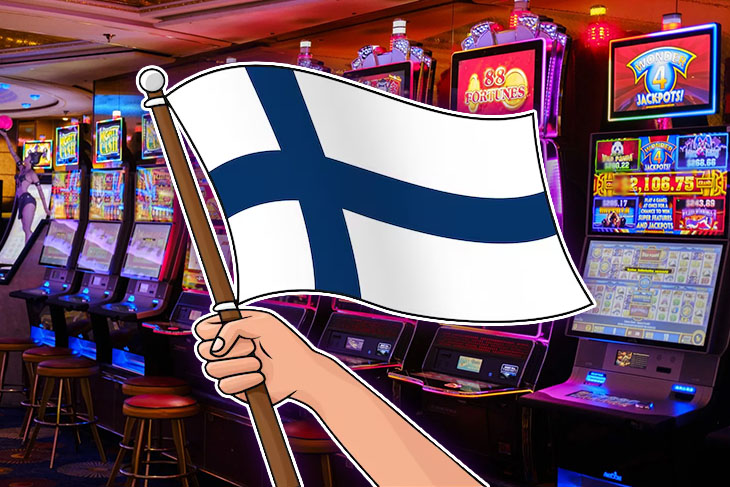
Finland is steadily moving towards the licensing of its iGaming sector. Today, the country's authorities published two draft technical documents that will form part of ...

BGaming, a prominent game developer, has been honored with the prestigious SiGMA Central Europe Award for "Best Casino Game of 2025" for its viral hit, ...

The iGaming industry in Ontario set record results in October 2025, achieving its highest figures since the launch of the regulated market in 2022. According ...

Booming Gaming has announced a partnership with online casino operator Placard, marking the supplier's debut in Portugal's regulated iGaming market and strengthening its presence in ...
